How the Iran-USA War Began: Prelude to Crisis
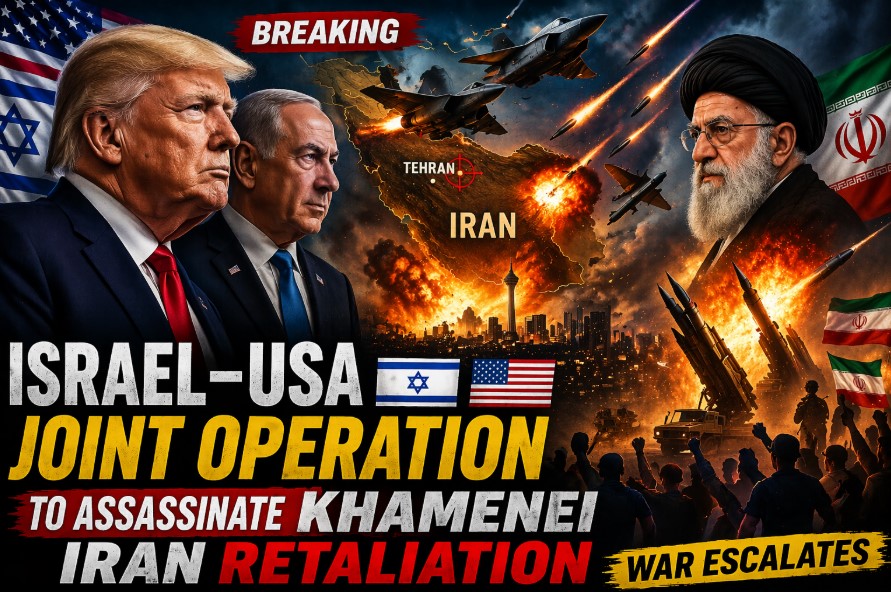
🌍 Geopolitical Context: The Tinderbox
By early 2026, the Middle East had become a complex web of competing interests, unresolved tensions, and fragile equilibriums. Understanding the prelude to the Iran-USA War requires examining multiple intersecting factors:
Key Pre-Conflict Dynamics
- Nuclear Diplomacy Stalemate: JCPOA negotiations had stalled since 2024, with mutual distrust preventing meaningful progress on uranium enrichment limits and sanctions relief
- Regional Proxy Tensions: Iranian-backed groups in Lebanon, Yemen, Iraq, and Syria maintained pressure on US and Israeli interests through asymmetric tactics
- Maritime Security Concerns: Gulf of Oman and Strait of Hormuz saw increased naval presence from US, Iranian, and allied forces following 2025 tanker incidents
- Domestic Political Pressures: Both Washington and Tehran faced internal political dynamics that constrained diplomatic flexibility
- Regional Power Competition: Saudi-Iranian détente remained fragile, with occasional flare-ups testing the limits of diplomatic engagement
These underlying tensions created a volatile environment where a single triggering event could rapidly escalate into broader confrontation.
💥 The Catalyst: February 2026 Crisis
Hypothetical Leadership Crisis Event
In this fictional scenario, a sudden leadership crisis in Tehran creates immediate regional instability. [Note: This describes a hypothetical scenario element for narrative purposes only] The event triggers immediate security protocols across Iranian institutions and raises urgent questions about succession, command authority, and regional power dynamics.
Hypothetical Scenario Regional ImpactRegional Power Vacuum Concerns
Regional actors assess potential shifts in Iranian foreign policy direction. US intelligence communities monitor for signs of internal Iranian power struggles that could affect regional stability. Diplomatic channels activate contingency protocols for potential escalation scenarios.
Intelligence AnalysisWhy This Matters in the Scenario
In this hypothetical framework, the leadership crisis creates uncertainty that multiple actors seek to exploit or manage. The scenario explores how institutional continuity mechanisms, regional diplomacy, and crisis management protocols might function under extreme pressure. This element serves to examine succession dynamics, institutional resilience, and diplomatic crisis response in a controlled analytical environment.
🇮🇱 Israel's Regional Role in the Scenario
Within this fictional scenario, Israel's actions and perceptions play a significant role in regional dynamics:
Hypothetical Israeli Strategic Considerations
- Security Doctrine: Israeli strategic planning in the scenario emphasizes prevention of Iranian nuclear advancement and containment of regional proxy activities
- Intelligence Operations: Scenario depicts enhanced intelligence gathering and covert action capabilities focused on Iranian nuclear and missile programs
- Regional Coordination: Hypothetical coordination with Gulf states and international partners on shared security concerns regarding Iranian activities
- Deterrence Posture: Scenario explores how Israeli military readiness and strategic messaging might influence regional crisis dynamics
Hypothetical Regional Diplomatic Activity
In this fictional framework, Israeli diplomatic channels engage with US, European, and regional partners to coordinate responses to the evolving situation. Scenario depicts intelligence sharing, contingency planning, and diplomatic messaging aimed at preventing escalation while maintaining deterrence postures.
Diplomacy Scenario AnalysisAnalytical Purpose of This Element
This scenario element allows examination of how regional powers might navigate complex crisis environments, balance deterrence with de-escalation, and coordinate with international partners under pressure. The hypothetical framework enables exploration of diplomatic mechanisms, intelligence sharing protocols, and crisis management strategies without endorsing any particular policy position.
🇮🇷 Iran's Response Path in the Scenario
The fictional scenario depicts Iran's institutional response to the hypothetical crisis through multiple channels:
Hypothetical Iranian Institutional Response
- Security Apparatus Activation: Scenario depicts activation of IRGC, intelligence, and diplomatic channels to manage internal continuity and external messaging
- Regional Proxy Coordination: Hypothetical coordination with allied groups to maintain strategic positioning while avoiding actions that could trigger broader escalation
- Diplomatic Signaling: Scenario explores how Iranian diplomatic channels might communicate red lines, seek de-escalation pathways, and manage international perceptions
- Maritime Posturing: Hypothetical adjustments to naval presence and maritime security protocols in the Gulf region as part of broader crisis management
Hypothetical Escalation Management
In this fictional framework, Iranian institutions engage in complex crisis management: maintaining strategic deterrence while avoiding actions that could trigger unintended escalation. Scenario depicts diplomatic outreach through Omani, Qatari, and other regional channels to establish communication pathways and prevent miscalculation.
Crisis Management Scenario Analysis🔥 The Path to Naval Confrontation: February 28 - March 3
The fictional scenario depicts a rapid escalation sequence in the final days before the March 4 naval clash:
Heightened Maritime Tensions
In this hypothetical scenario, increased naval activity in the Gulf of Oman creates conditions for potential miscalculation. US and Iranian naval forces operate in closer proximity than usual, with both sides conducting enhanced surveillance and readiness protocols.
Escalation Maritime SecurityDiplomatic Off-Ramps Tested
Scenario depicts intensified diplomatic activity through multiple channels: Omani mediation efforts, Swiss diplomatic facilitation, and backchannel communications aimed at establishing de-escalation protocols and crisis communication mechanisms.
Diplomacy Crisis ManagementFinal Hours Before Confrontation
In this fictional framework, the final 24 hours before the March 4 incident see heightened alert status on both sides, with naval commanders operating under enhanced rules of engagement and diplomatic channels working to establish last-minute de-escalation protocols.
Pre-Conflict Last-Minute DiplomacyWhy This Escalation Sequence Matters
This hypothetical escalation sequence allows examination of how crisis dynamics can develop rapidly even when multiple actors seek to avoid conflict. The scenario explores communication failures, misperception risks, institutional pressures, and the challenges of crisis management under extreme time pressure. This analytical framework helps identify potential intervention points and de-escalation mechanisms that might prevent similar real-world crises.
📅 Pre-February 28 Timeline: Key Hypothetical Events
Building Tensions
Scenario depicts increased regional tensions following stalled nuclear diplomacy, with multiple incidents testing maritime security protocols and diplomatic crisis management mechanisms.
Diplomatic Efforts Intensify
Hypothetical scenario shows increased diplomatic activity through multiple channels aimed at preventing escalation, including Omani mediation, Swiss facilitation, and backchannel communications.
Hypothetical Leadership Crisis Event
Scenario depicts a fictional leadership crisis in Tehran that creates immediate regional uncertainty and activates crisis management protocols across multiple institutions and diplomatic channels.
Hypothetical CatalystCrisis Management Phase
Fictional scenario depicts complex crisis management efforts: institutional continuity measures, diplomatic signaling, regional coordination, and last-minute de-escalation attempts that ultimately prove insufficient to prevent the March 4 naval incident.
Final Escalation Sequence
Hypothetical scenario depicts the final escalation sequence: heightened maritime tensions, failed last-minute diplomatic efforts, and institutional pressures that culminate in the March 4 naval clash that begins our 32-day coverage timeline.
Pre-Conflict🔍 Analytical Framework: Why This Scenario Matters
This fictional scenario serves multiple analytical purposes:
Educational & Analytical Objectives
- Crisis Dynamics: Examine how complex crises can develop rapidly even when multiple actors seek to avoid conflict
- Diplomatic Mechanisms: Explore how diplomatic channels, mediation efforts, and crisis communication protocols function under extreme pressure
- Institutional Resilience: Analyze how governmental institutions manage continuity, decision-making, and crisis response during leadership transitions
- De-escalation Pathways: Identify potential intervention points and de-escalation mechanisms that might prevent similar real-world crises
- Regional Stability: Understand how regional power dynamics, proxy relationships, and maritime security concerns interact in complex crisis environments
Important Distinction: Fiction vs. Reality
This scenario is explicitly fictional and designed for analytical purposes only. It does not predict, endorse, or advocate for any particular real-world outcomes, policies, or actions. The hypothetical elements serve to explore crisis dynamics, diplomatic mechanisms, and conflict resolution frameworks in a controlled analytical environment that allows examination of complex geopolitical interactions without real-world consequences.
📚 Sources & Analytical Framework
Scenario Development
- Hypothetical crisis dynamics modeling
- Diplomatic mechanism analysis
- Institutional resilience frameworks
- Regional stability assessment methodologies
Analytical References
- Crisis management literature
- Diplomatic negotiation frameworks
- Regional security studies
- Maritime security protocols
Educational Purpose
- Controlled scenario analysis
- Policy mechanism exploration
- Conflict resolution frameworks
- De-escalation strategy development
🔗 Connect to Main Timeline
This background article provides context for the 32-day Iran-USA War coverage timeline that begins with the March 4, 2026 naval clash and follows the conflict through diplomatic resolution, verification mechanisms, and sustained implementation phases.